
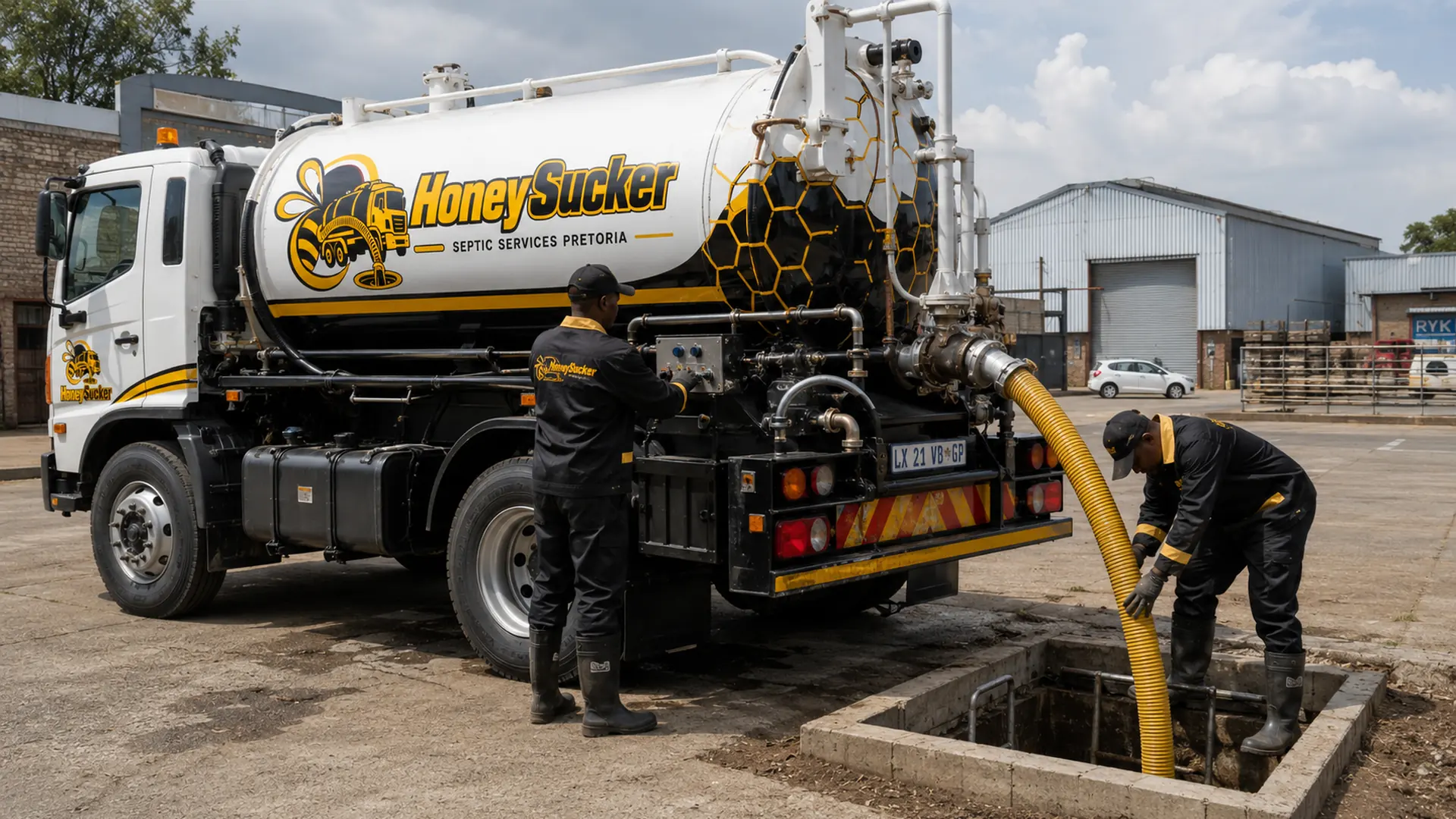
Septic tank pumping and septic tank cleaning are closely related, but they are not always identical. Using the right description matters because the tank condition, service history and accessible opening can change the work that is practical on site. If you do not know which service you need, that is normal. A clear description of the symptoms is more useful than choosing a label at random.
What happens during septic tank pumping?
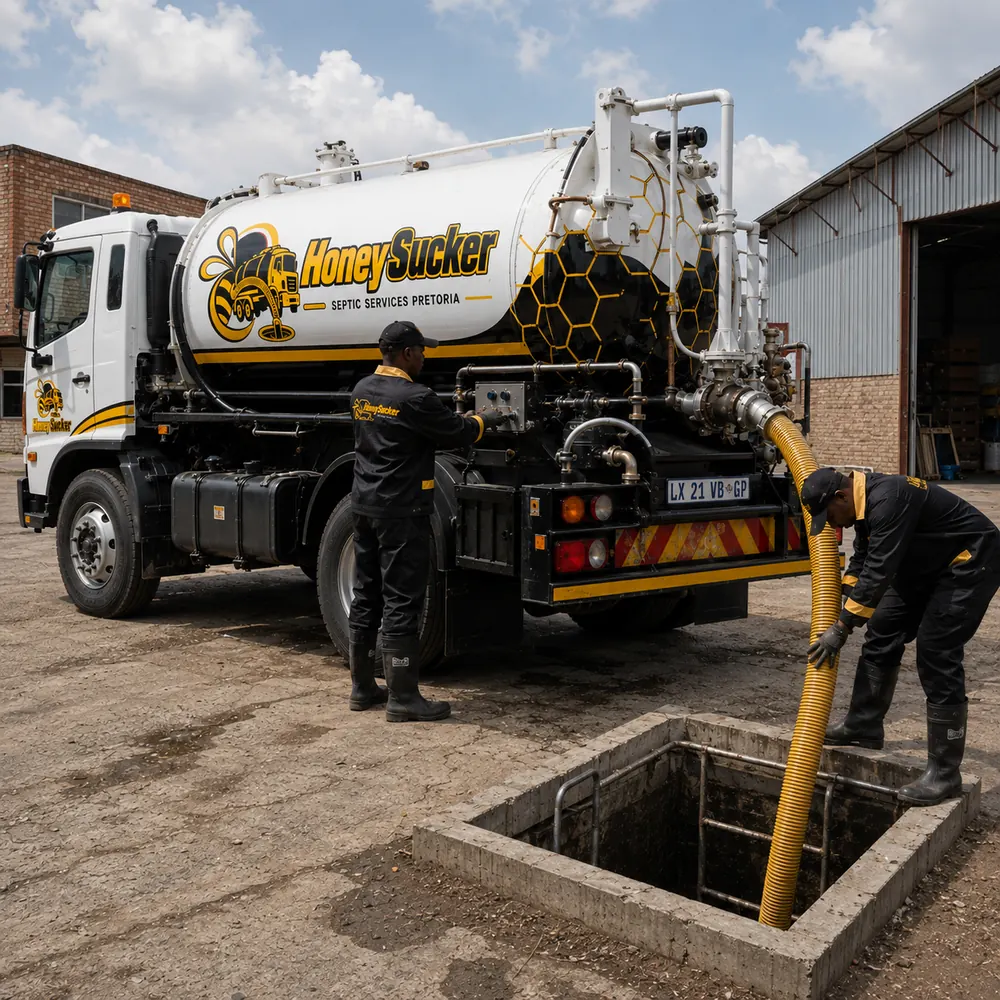
Pumping uses vacuum equipment to remove liquid and accumulated waste from an accessible tank. It is commonly requested when a tank is nearing capacity, when routine emptying is due or when symptoms suggest that the system is no longer coping normally. The tanker needs a safe place to stand and the hose needs a clear route to the tank opening.
When does septic tank cleaning become relevant?
Cleaning may be discussed when heavier sludge, settled material or residue needs more attention than standard pumping provides. The team first needs to understand what can be reached and inspected safely. Cleaning does not repair damaged pipework, a failed soakaway or structural tank problems, so the visible site condition still matters.
A simple comparison for property owners
| Service consideration | Pumping | Cleaning |
|---|---|---|
| Main purpose | Remove pumpable liquid and accumulated waste | Address additional settled sludge or residue where practical |
| When it may be discussed | Routine emptying, capacity concerns or wastewater symptoms | Heavier build-up, maintenance concerns or a more thorough service need |
| Information required | Tank location, symptoms, access and hose distance | The same details, plus maintenance history and visible tank condition |
Warning signs do not identify the cause on their own
Slow drainage, gurgling fixtures, odours and wet ground can all suggest a septic problem, but they do not confirm that the tank itself is the only cause. A local pipe blockage, restricted outlet or soakaway issue can create similar symptoms. Keep people away from visible wastewater and avoid opening or entering the tank.
Why maintenance history helps
Tell the service team when the tank was last pumped or cleaned, if known. Also share how the property is used, whether occupancy has changed and whether the symptoms appeared suddenly or gradually. These details help the team discuss a sensible next step without making promises before the site can be assessed.
The Water Research Commission describes a typical on-site septic system as a tank, a soakaway or leaching area and the connecting pipework. Its research also notes that odours and damp ground can provide clues that the soakaway area needs attention. Readers can explore the commission’s on-site sanitation resources for further background.
Questions to ask before confirming the booking
Ask what access the vehicle requires, whether the quoted service covers pumping or a more thorough cleaning scope, and what the team needs you to prepare. Confirm whether the tank opening is accessible and whether the visit can proceed if rain has affected the parking area. Clear expectations help the property owner and service team avoid delays on arrival.
What a service cannot confirm over the phone
A phone conversation can help with planning, but it cannot show the full condition of the tank, pipework or soakaway. Avoid relying on a fixed diagnosis before the accessible parts of the system can be assessed. Honest service planning should explain what is known, what still needs to be checked and which additional work may require a separate specialist.
Book the right septic service in Pretoria
HoneySucker provides both septic tank pumping and septic tank cleaning in Pretoria. Call or WhatsApp 074 921 6413 with the suburb, symptoms, tank position and access photos. The team will help you discuss the most practical service for the property.